
Reversing partway down
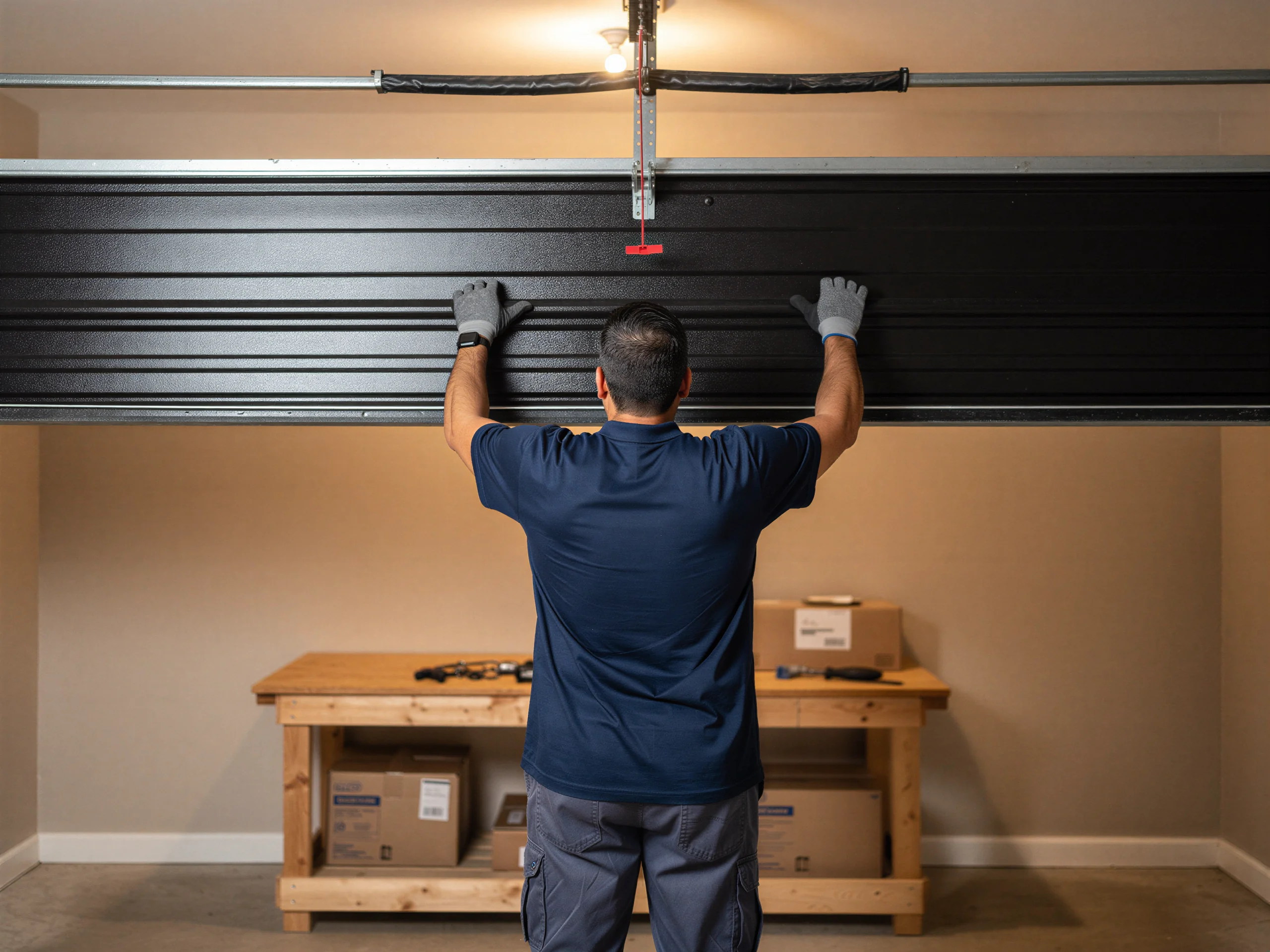
Close behind that is a door that opens but won't close all the way, or reverses partway down - often a worn limit switch or a safety sensor that's drifted out of alignment, which happens more easily on older bracket hardware.
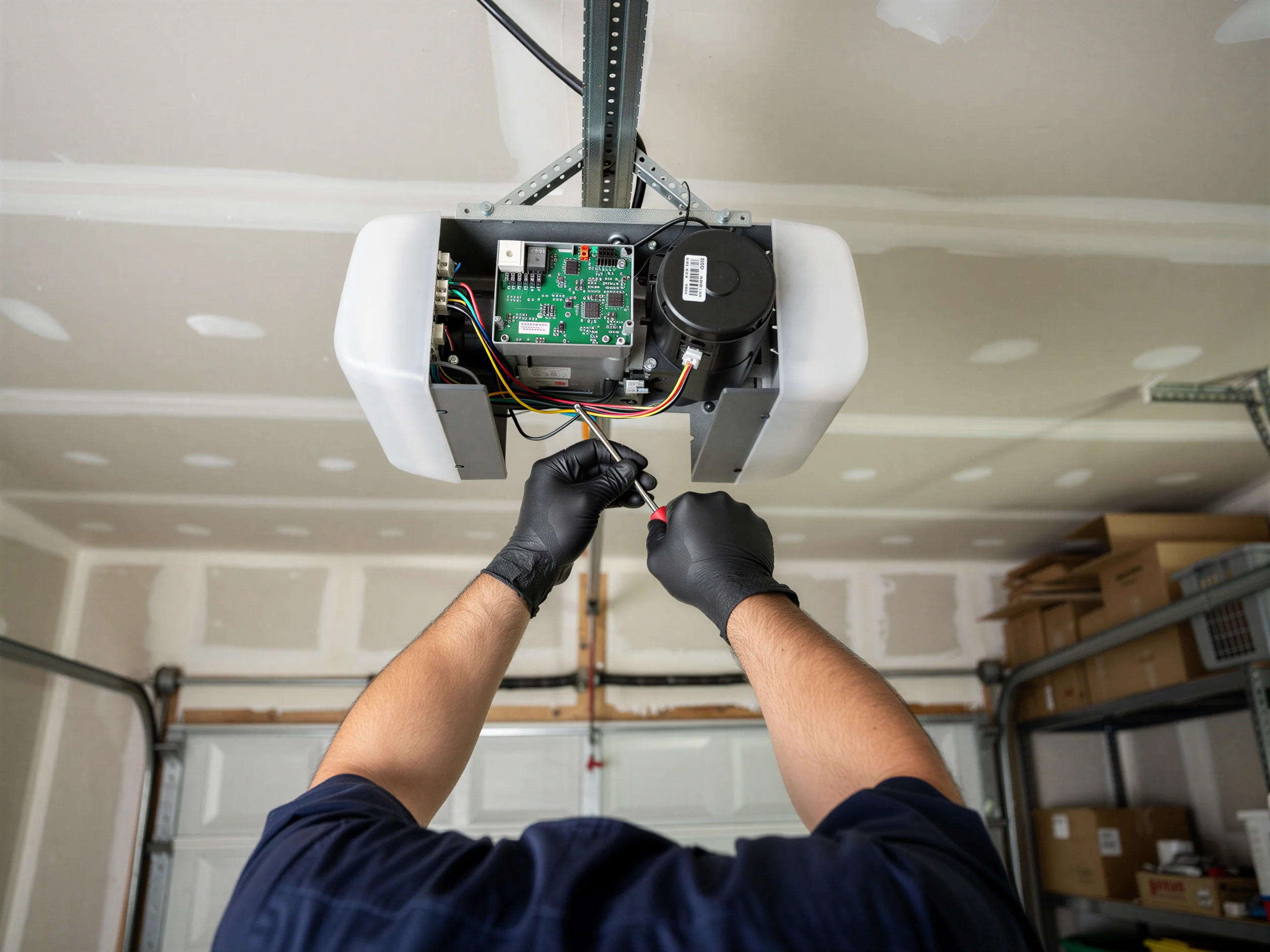 Sanford, FL
Opener repair for Sanford homes built mostly between 1966 and 2002, where original hardware and Florida humidity wear out circuit boards and drive gears early.
Local causes
Most of the housing stock in this service area went up between 1966 and 2002, with the median build year sitting around 1984. That means a lot of openers out there are either the original unit from construction or a first replacement installed back in the 1990s or early 2000s - units that were never built to handle a modern smart-home add-on or a second remote. On top of the age of the equipment, the mild temperate climate here doesn't put openers through hard freezes, but it does put them through years of steady humidity and heat-cycling in an uninsulated garage. That combination corrodes circuit board contacts, dries out the lubricant in the drive gear, and loosens the capacitor inside the logic board faster than you'd see in a drier climate. We also see a fair number of belt and chain drives that were sized for the original door weight and then struggled once an owner swapped in a heavier insulated panel. None of this is dramatic - it's slow wear showing up as a door that used to work fine and now doesn't, on a schedule tied to when the house itself was built.
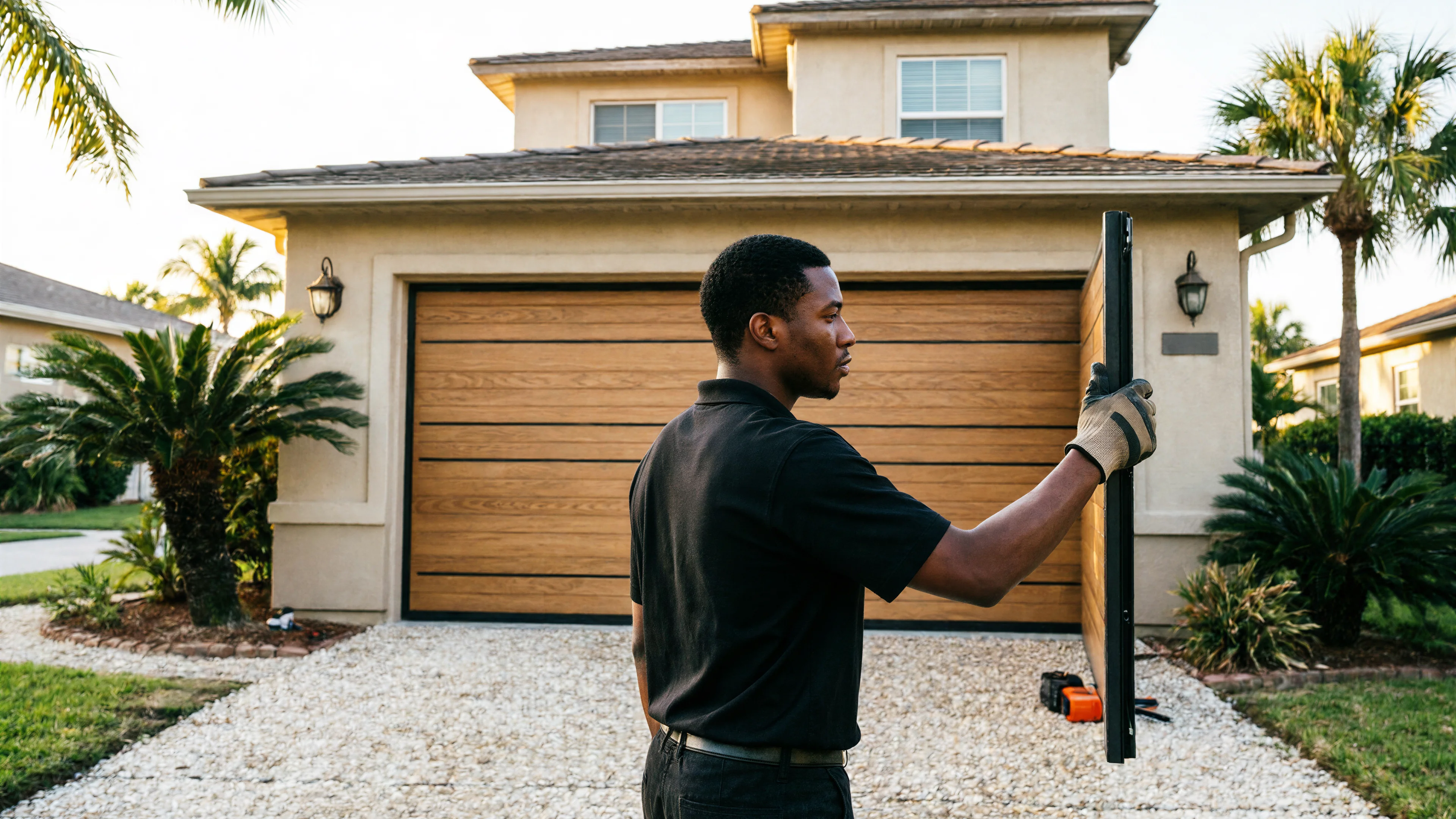
Warning signs
The most common call is a door that won't respond to the remote or wall button at all, which usually traces back to a dead capacitor or a board that's taken on moisture over the years.
Close behind that is a door that opens but won't close all the way, or reverses partway down - often a worn limit switch or a safety sensor that's drifted out of alignment, which happens more easily on older bracket hardware.
Grinding or clicking from the motor housing without the door moving usually means the gear inside has stripped, a common failure on units original to a 1980s or 1990s build. Some owners notice the opener runs but the door lags behind the sound of the motor - that's a slipping belt or chain, not the logic board, and it's a different repair entirely.
We also get calls where the opener works from the wall button but not the remote, which almost always points to a dead remote battery or a receiver antenna issue rather than anything mechanical.
Watch-outs
Opener repair gets complicated fast when the unit is old enough that the manufacturer no longer makes the exact circuit board or logic board for it.
On houses from the earlier part of that 1966-2002 build window, we sometimes find openers where the board is discontinued and the only real fix is a full opener swap rather than a board repair - we'll tell you straight when that's the case instead of chasing parts that don't exist anymore.
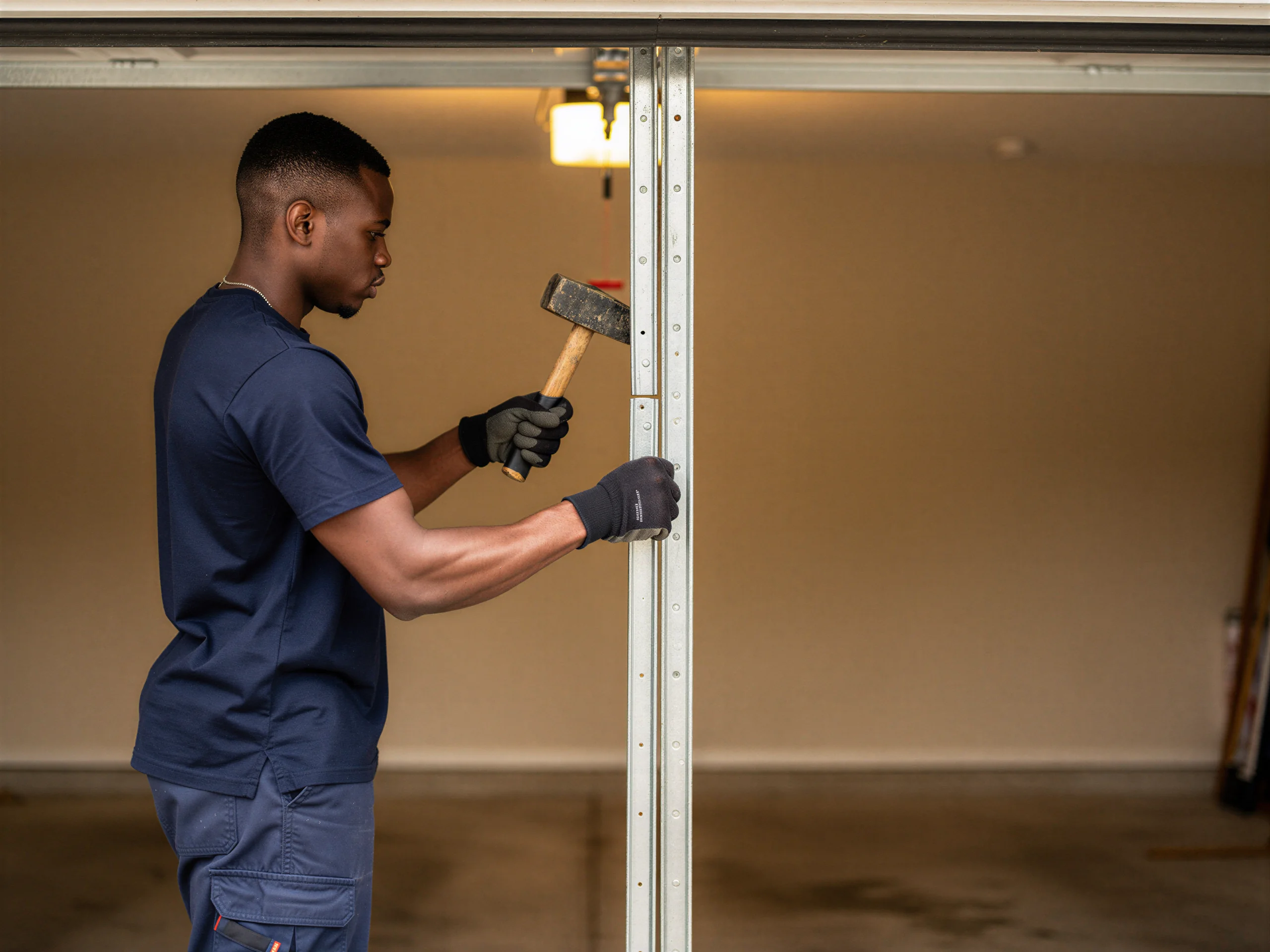
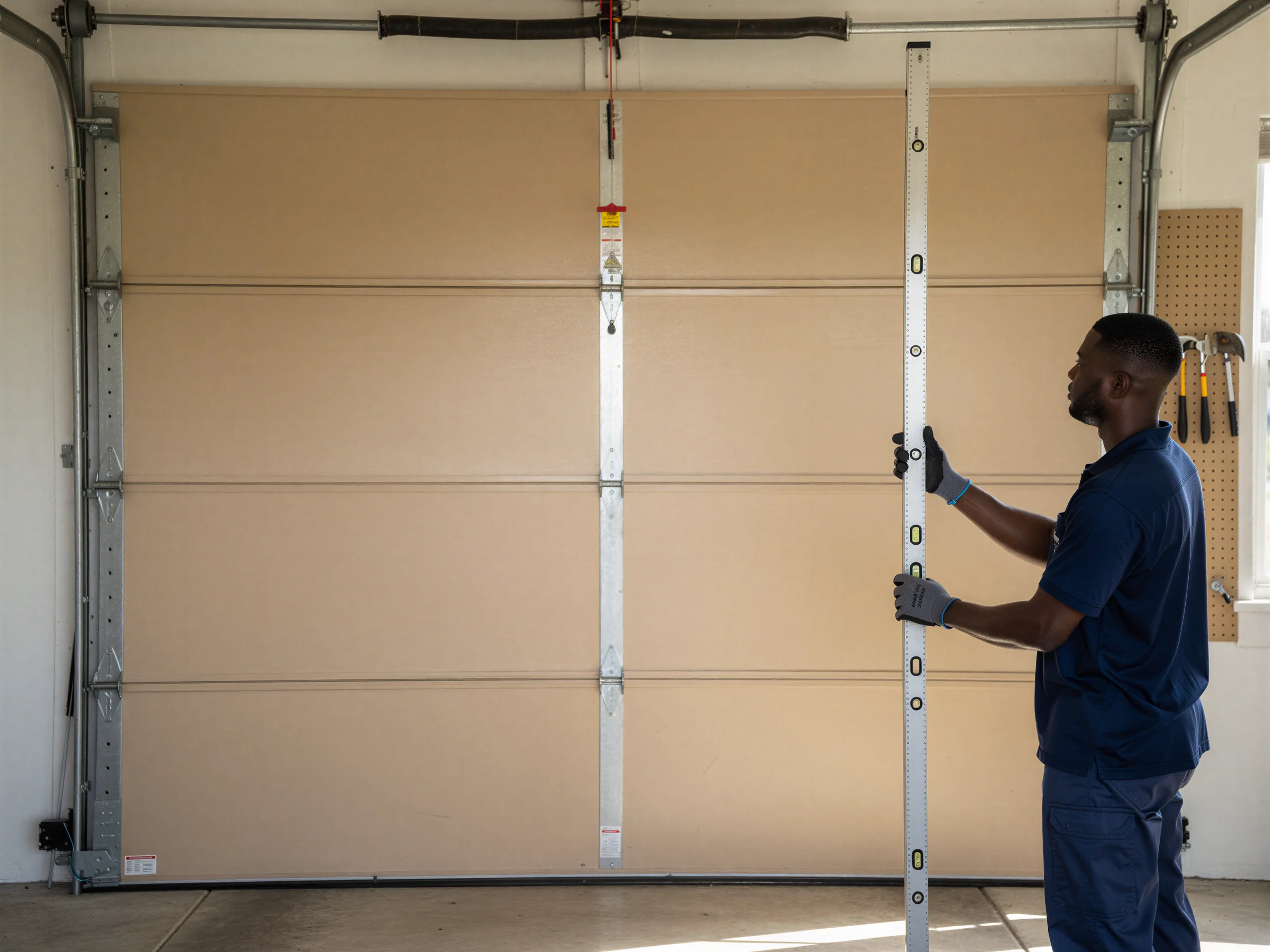
Another complication: if the opener has been struggling because the door's springs are under-tensioned or the track is out of alignment, replacing just the opener without fixing the door hardware means the new unit fails the same way within a year or two. We check the door itself before we touch the opener for that reason.
And on garages with a second opener added later for a side door or a different bay, mismatched brands can mean the remotes and keypads don't talk to each other the way the homeowner expects, which is worth flagging before any work starts rather than after.
Pricing
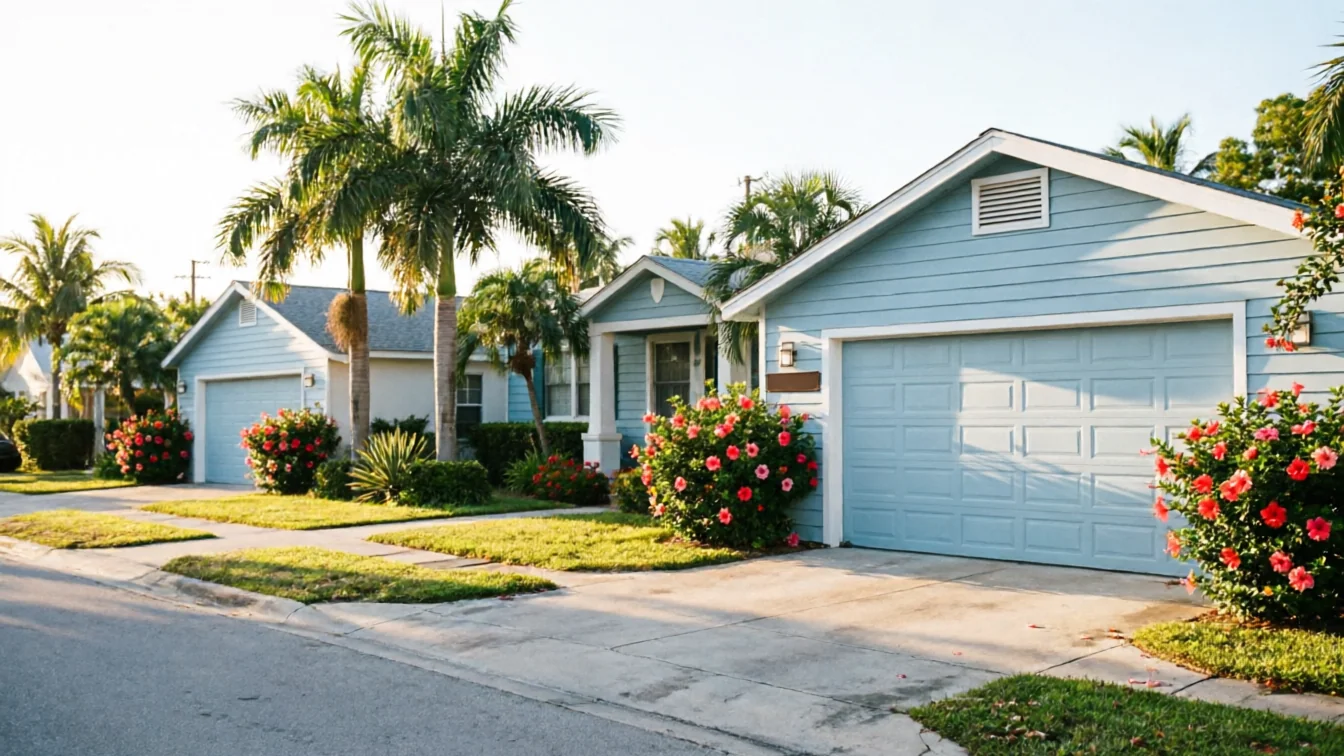
We don't post a flat number here because opener repair cost depends on what's actually wrong - a dead capacitor or a misaligned sensor is a short visit, while a stripped gear or a board that needs full replacement is a longer job with parts involved. What we can tell you is that the age of typical openers in this area, most installed sometime between the 1980s and the early 2000s, means parts availability is often the real driver of cost rather than labor. If your board is still made, repair is usually the cheaper route. If it's been discontinued, replacement ends up being the more honest answer even though it's the bigger number up front, because a repaired board on an otherwise end-of-life opener tends to fail again soon. We'll always look at the door hardware first - fixing an opener that's been straining against bad springs or a bent track is money spent twice.
Questions
Usually it isn't really no warning - a capacitor or board that's taken on humidity over years of heat cycling tends to fail suddenly even though the wear built up slowly. That pattern is common on openers original to houses built in the 1980s and 90s around here, which make up a lot of the local housing stock.
Often, yes, if the circuit board is still being made and the mechanical gear inside hasn't stripped. If the opener is old enough that the manufacturer has discontinued the board, repair isn't a lasting fix and we'll tell you that instead of charging you for a patch that won't hold.
Not always obvious from the symptom alone. A door with worn springs or a misaligned track can make a perfectly good opener strain and eventually fail, so we check the door hardware before diagnosing the opener itself - otherwise you can end up paying to fix the opener twice.
Explore more
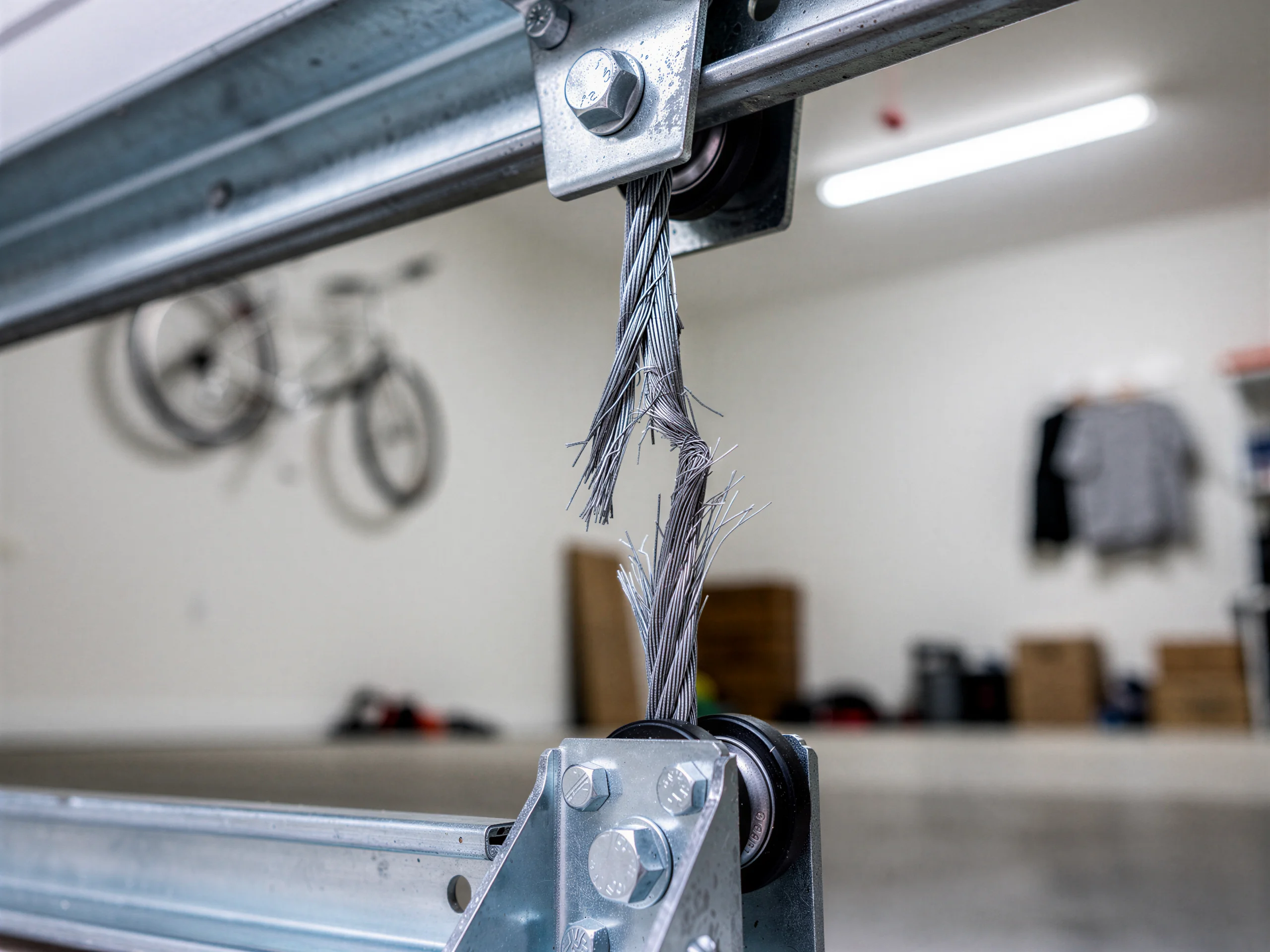
Ready when you are
Sanford Garage Door Pros repairs and installs garage doors, springs and openers in Sanford, FL and the surrounding area.