Where People Go Wrong
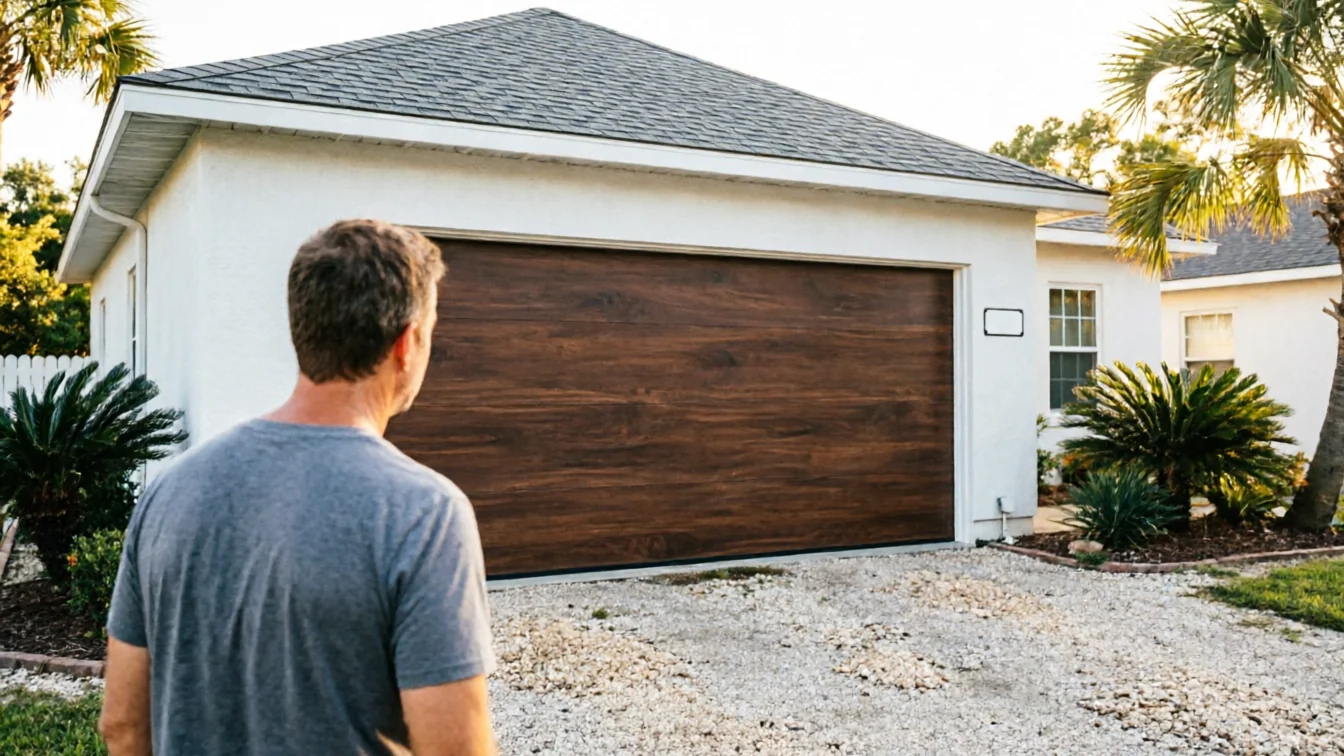
The mistake we see most in Sanford isn't neglect - it's the wrong assumption about age. Most houses across this service area went up between 1966 and 2002, with the median landing around 1984, and across the 31 communities we work in the stock skews heavily toward 1980s and 90s construction. A lot of owners see a door from that window and figure it's automatically junk. It usually isn't. A steel door from 1988 with its original torsion spring can still be sound hardware if the track is straight and the panels aren't rusted through at the bottom seam.
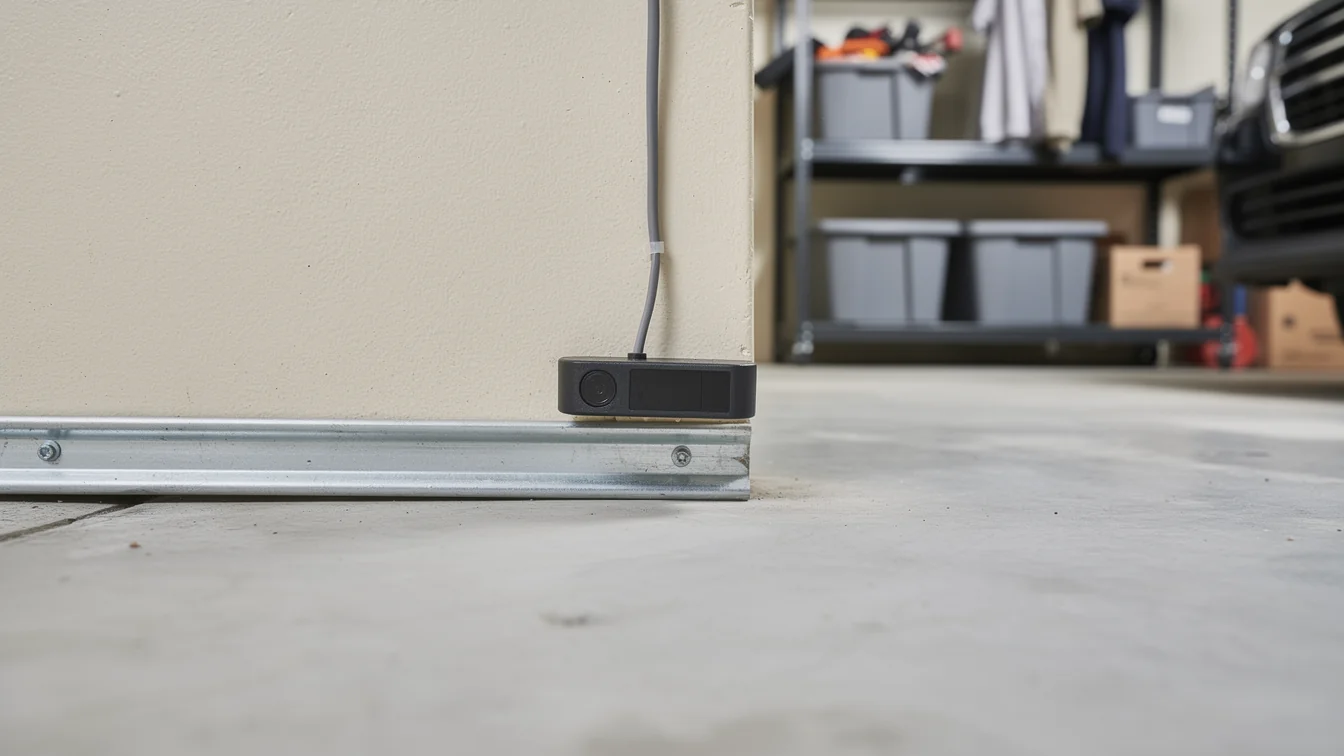
The other side of that mistake is the opposite: patching a door that's actually done. If the bottom panel has delaminated or the roller tracks have pulled away from the framing more than once, another spring or cable isn't going to fix the real problem, which is the door itself flexing wrong. We won't sell a repair on a door that's going to be back on our schedule in six months. Knowing which situation you're in takes a look at the door, not a guess based on the house's build year alone - but the build year tells us where to start looking.
What the Weather Here Does to It
Sanford sits in a mild temperate band, which works in your favor compared to a lot of the country. You're not fighting the hard freeze-thaw cycles that crack spring coatings and warp wood doors up north, and that's a real reason an older door here can still be worth keeping - the stress that kills hardware fast elsewhere just isn't as present.
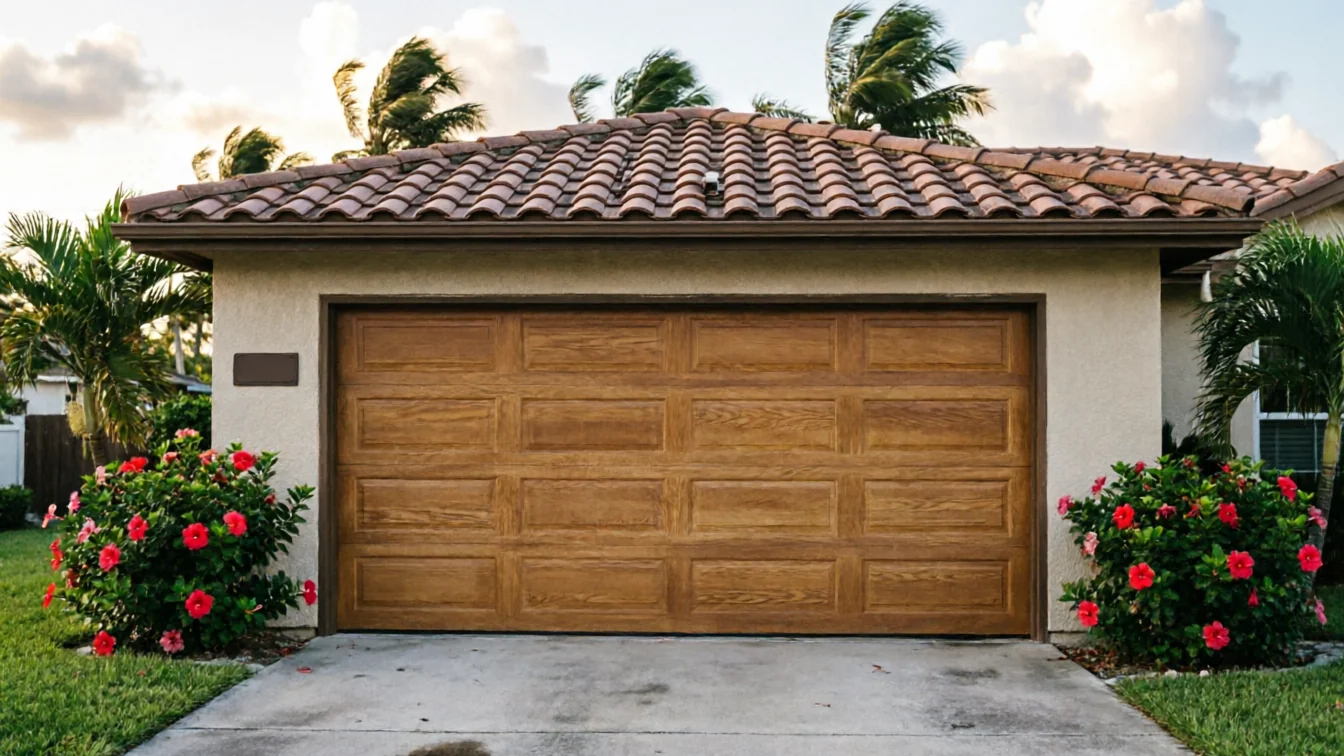
That doesn't mean the climate does nothing. Humidity and heat cycling still work on steel fasteners and on the lubrication in rollers and hinges over a few decades, and a door built in the 1980s or 90s that's never been serviced will show it in squeal, drag, or a spring that's lost tension early. The honest limitation here: we can't tell you a door is fine over the phone. Mild climate or not, thirty-plus years of daily cycles on original hardware is still thirty-plus years, and the only way to know what's left in a spring or a cable is to put hands on it.
What It Costs
We're not going to put a number here that isn't backed by a quote, because the honest range depends on what's actually wrong - a spring swap and a full panel replacement aren't in the same conversation, and quoting one figure for both would be a guess dressed up as a fact.
What we can tell you is how the decision usually breaks down for owners in this area. With a median household income of $80,775 across the region, most homeowners here can absorb a spring or cable repair without much deliberation - it's routine maintenance money, not a financial event. A full door replacement is a bigger call, and that's usually where the age of the house matters most: if you're in one of the many homes built in that 1966-2002 window, replacement parts for the original door may already be hard to source, which can tip the math toward a new door sooner than the door's condition alone would suggest. We'll tell you straight which bucket your job falls into before any work starts.
The Situation
Across the area we serve there are roughly 175,363 households and about 76,055 owner-occupied houses, and a big share of them are sitting on doors and openers that are original or close to it. That's not a problem by itself - plenty of those doors are still doing their job. It's a reason to get an honest look rather than either ignoring the door or replacing it on a hunch.
If you're in one of the older sections - closer to that 1984 median build year - the door in front of you has likely seen one owner, maybe two, and never been serviced beyond the occasional WD-40 spray. That's the door most worth a real inspection before you spend money either direction. If your house is newer stock within that same 1966-2002 range, the hardware is probably in better shape, but the opener logic board may be the weak link instead. Either way, the fix depends on what's actually on the track, not on the calendar.
Talk to a local pro
Garage door trouble in Sanford?
Same-day service with honest, upfront quotes.