
Framing not built for torque
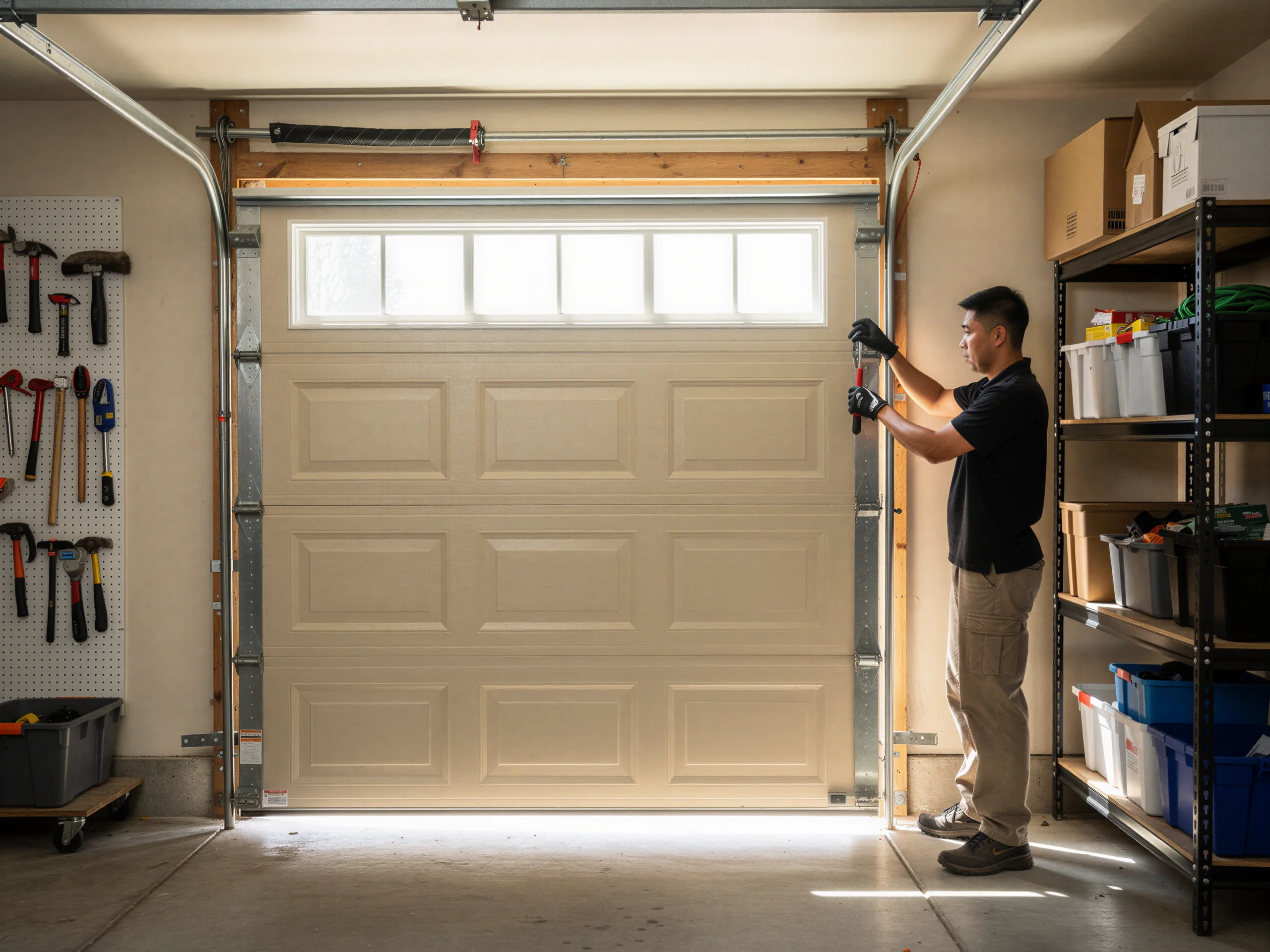
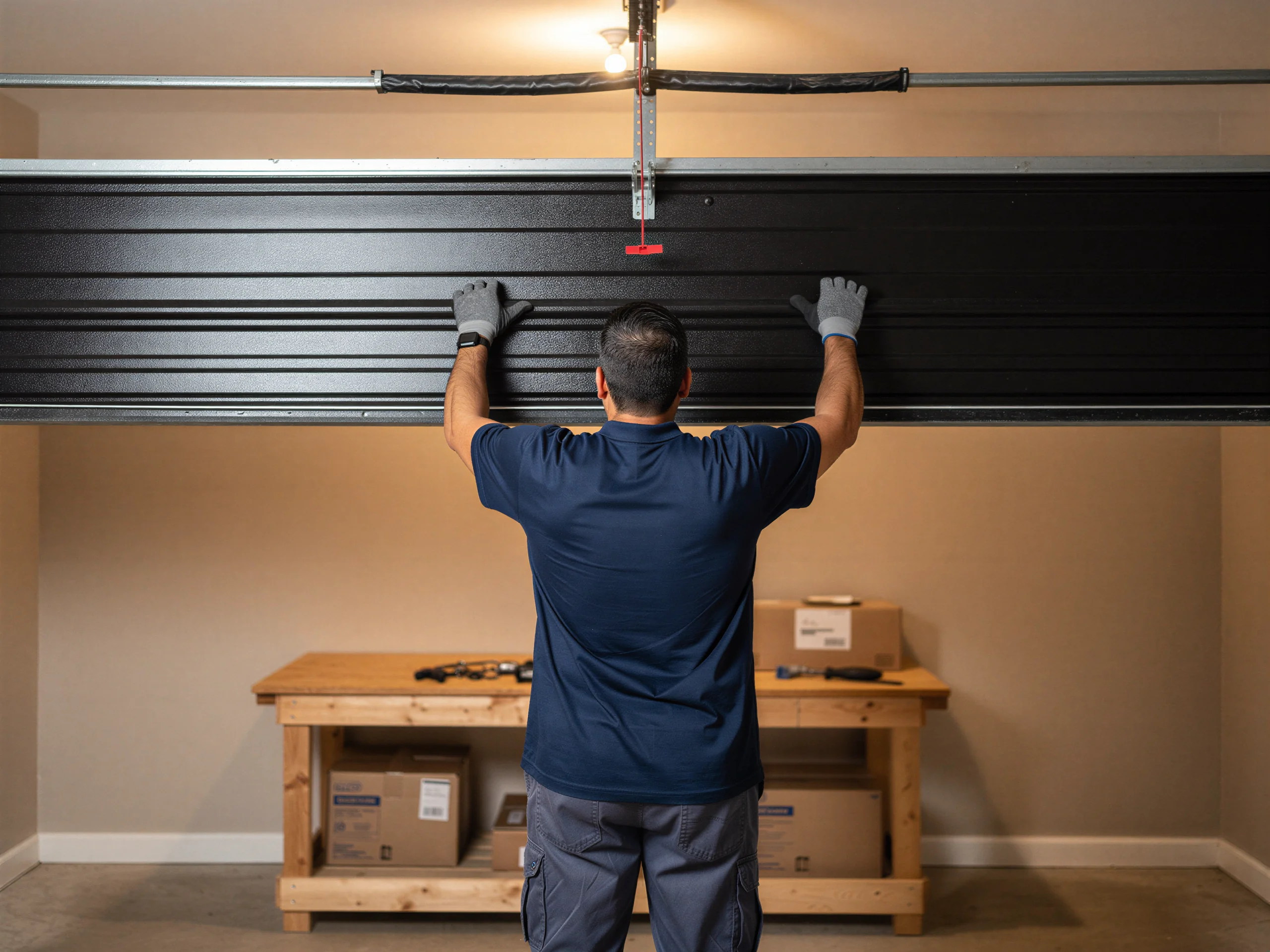
Sometimes it's an opener from the 80s or 90s bolted to framing that was never meant for a modern unit's torque, so the whole header flexes when the door runs.
 Sanford, FL
Sanford homes built between 1966 and 2002 often carry doors and openers that don't match current hardware. See why installation here looks different than elsewhere.
Local causes
Most of the housing stock in and around Sanford went up between 1966 and 2002, with the median home dating to about 1984. A door installed when a house was built is now somewhere between 20 and nearly 60 years old, and a lot of that original hardware was never designed to match today's openers, spring systems, or insulation standards. Track widths, header heights, and mounting brackets from that era are often a half-step off from what current door models expect, so a straight swap rarely works without some rework at the frame.
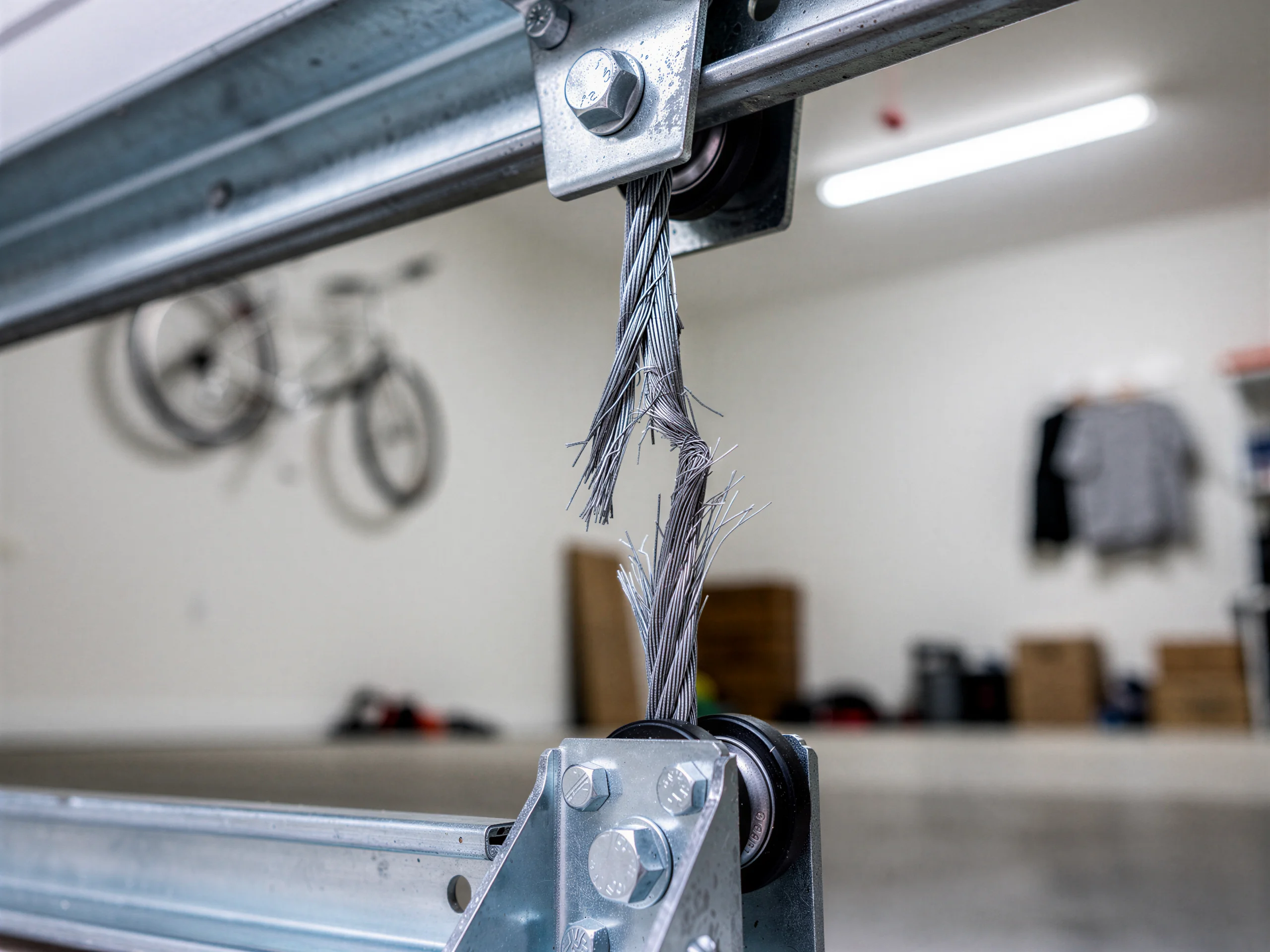
The mild temperate climate here doesn't put the same stress on a door that you'd see in a region with hard freezes or big humidity swings, so panels and seals in this area tend to fail from age and wear rather than weather shock. That's actually good news for installation: we're not fighting warped jambs or ice-cracked panels. The problem is almost always the door simply being decades past the design life of its tracks, cables, and springs, paired with an opening that was framed for a style of door nobody manufactures anymore.
Warning signs
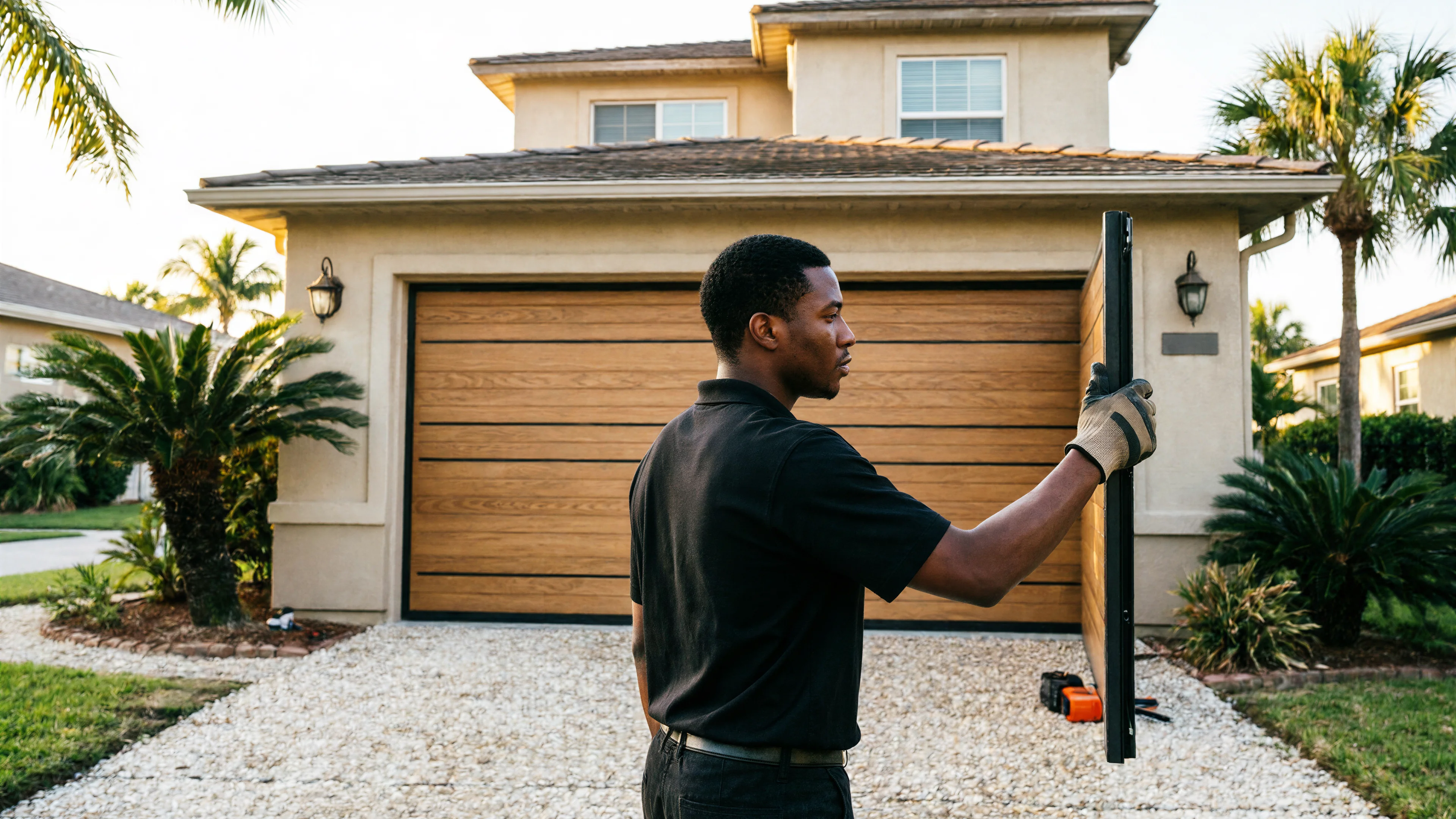
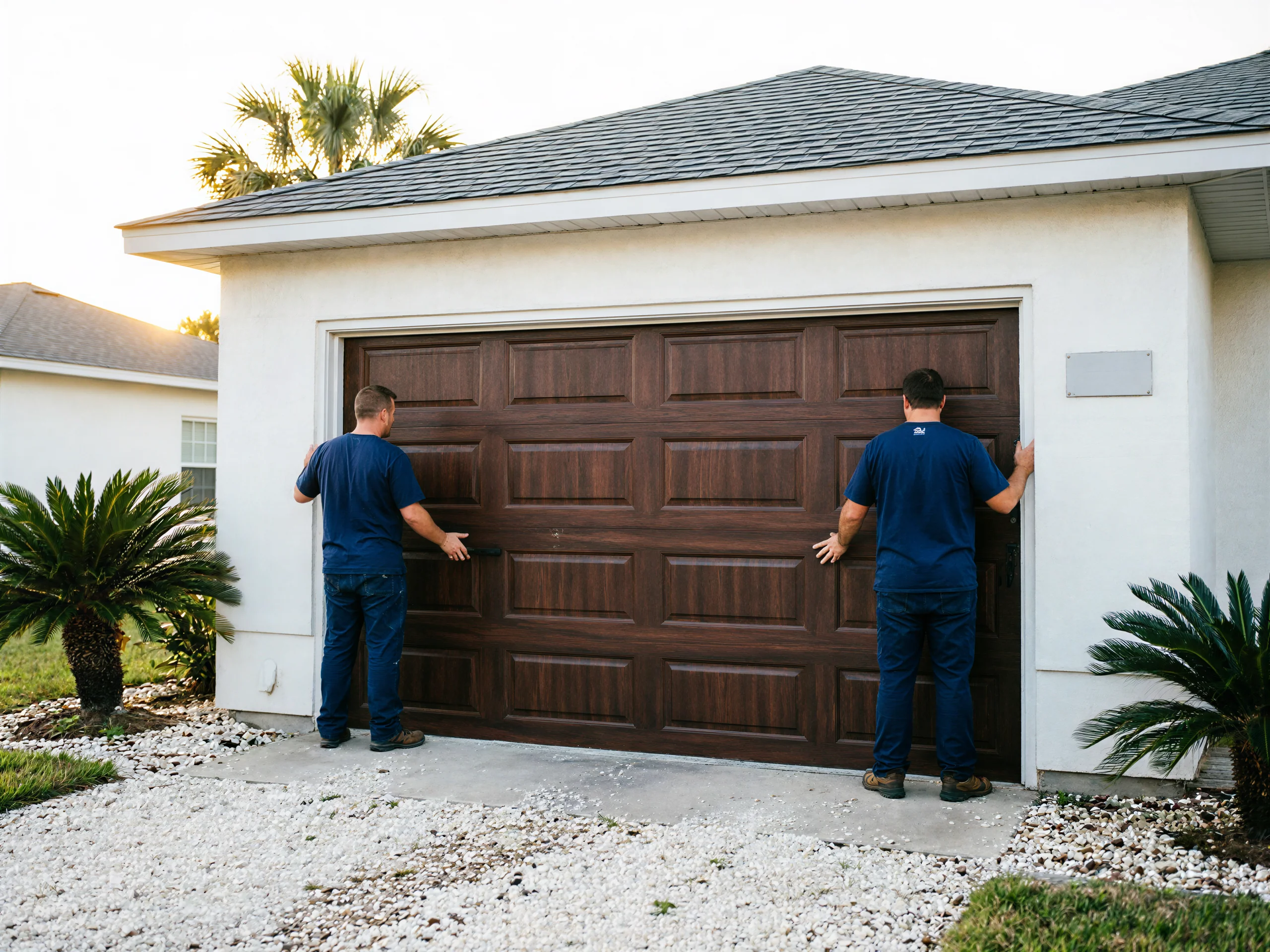
In a lot of the older sections built during that 1966-2002 run, homeowners call us because the door still opens and closes but doesn't sit flush anymore - gaps at the corners, a panel that's started to bow, or a track that's been bent and reset so many times it's lost its original line.
Sometimes it's an opener from the 80s or 90s bolted to framing that was never meant for a modern unit's torque, so the whole header flexes when the door runs.
On newer construction in the same service area, we see the opposite problem: a serviceable door paired with a builder-grade opener that's underpowered or missing safety sensors that current code expects.
Either way, it's less about a sudden breakdown and more about a mismatch that's been quietly getting worse for years before someone decides to replace the whole unit instead of patching it again.
Watch-outs
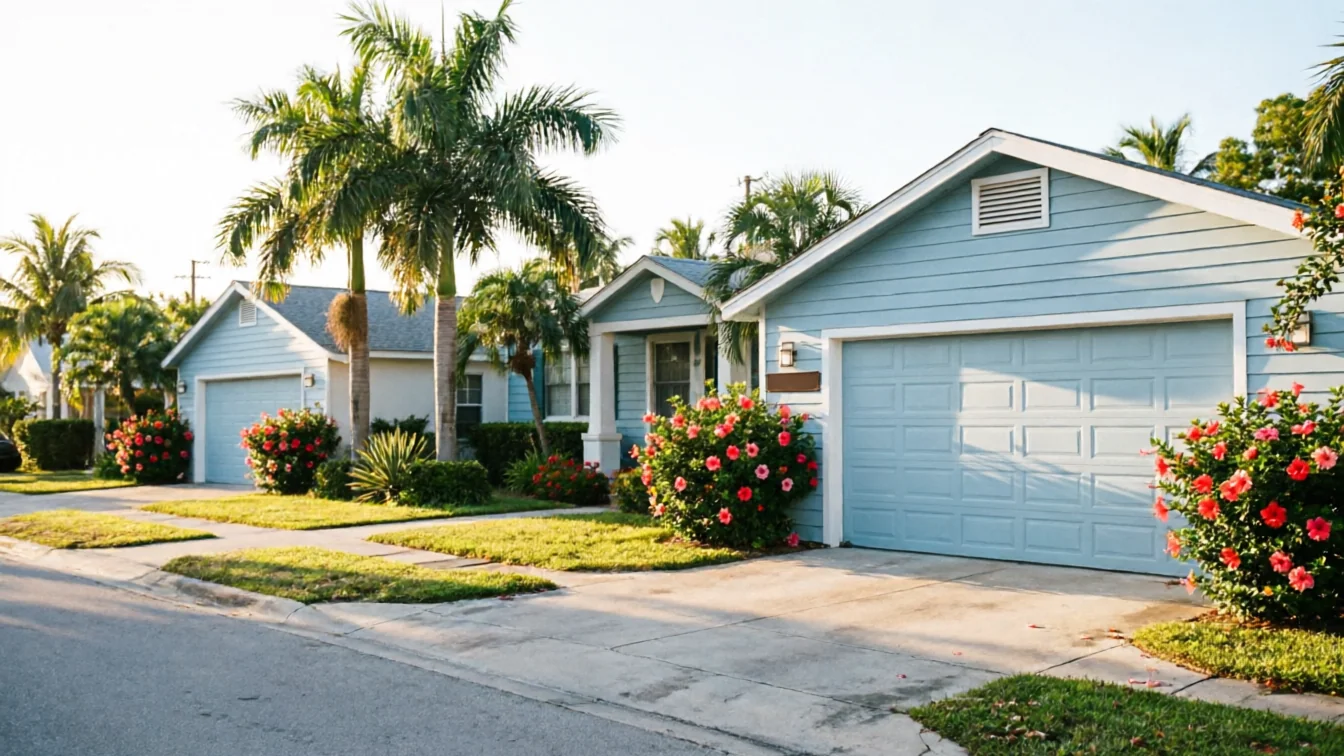
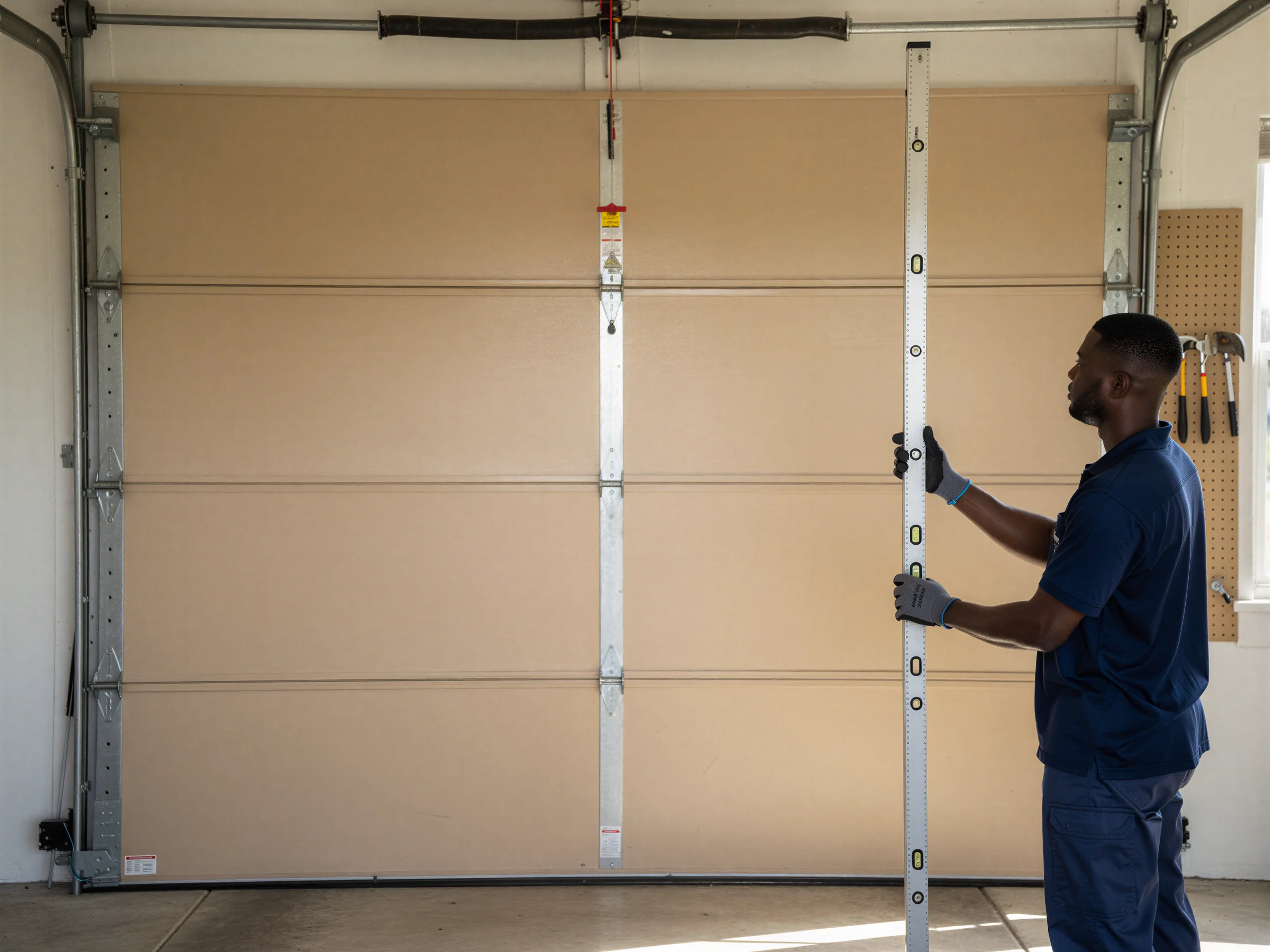
Across the roughly 76,055 owner-occupied houses in this service area, door openings were framed to dozens of different builder specs over a nearly 40-year construction window, so there's no single standard size we can assume before we measure. A header that's an inch short, or a slab floor with a slight grade to it, changes what hardware will actually fit flush.
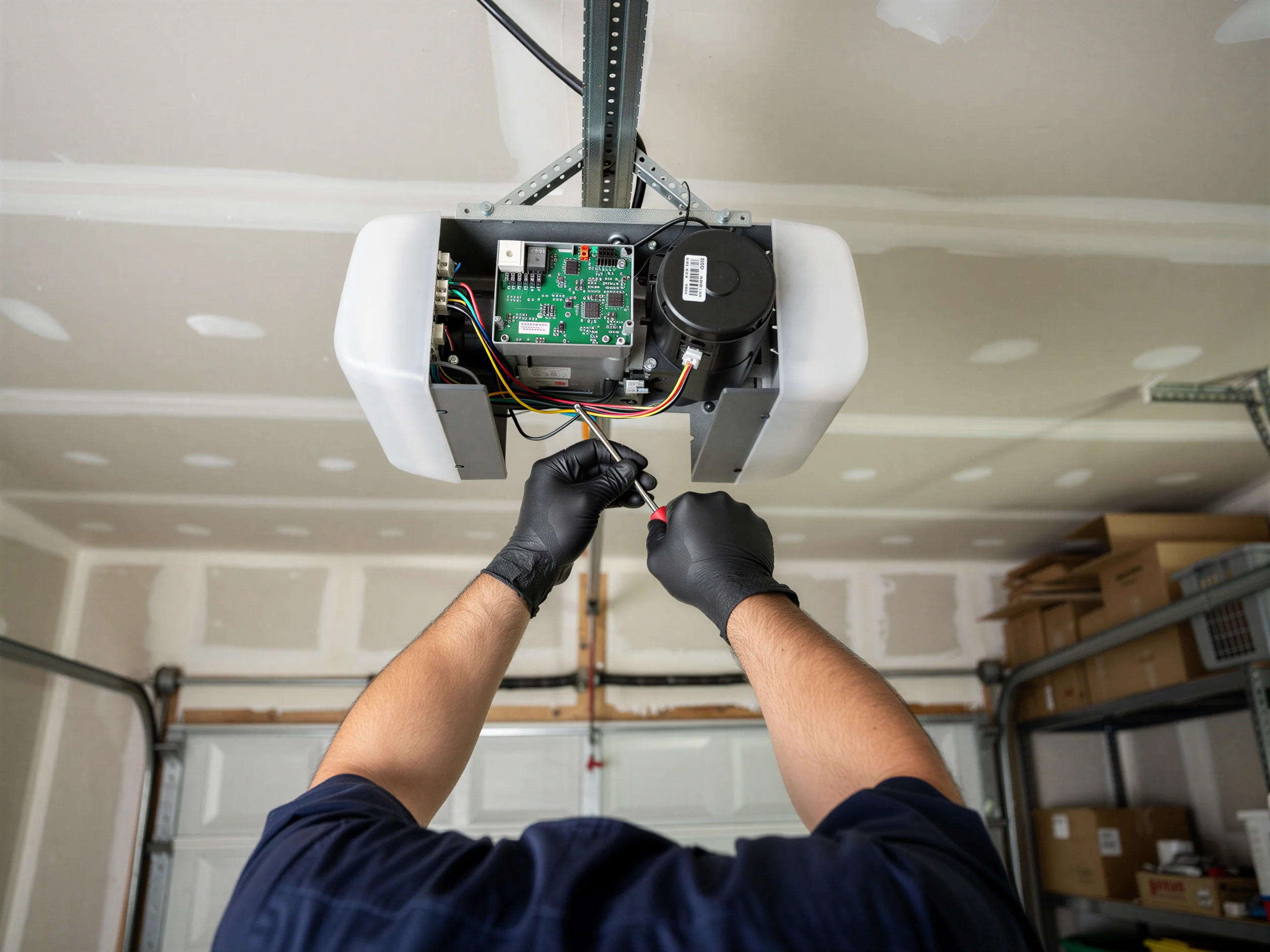
We also run into openers wired directly into older electrical runs that weren't pulled for a motor draw, which means an installation can turn into an electrical fix before it's a door fix. That's the honest limitation here: if your panel box or wiring needs attention first, we'll tell you rather than hang a new opener on a circuit that can't carry it. We don't do electrical work beyond the opener connection itself, so that part sometimes means bringing in someone else before we finish the job.
Pricing
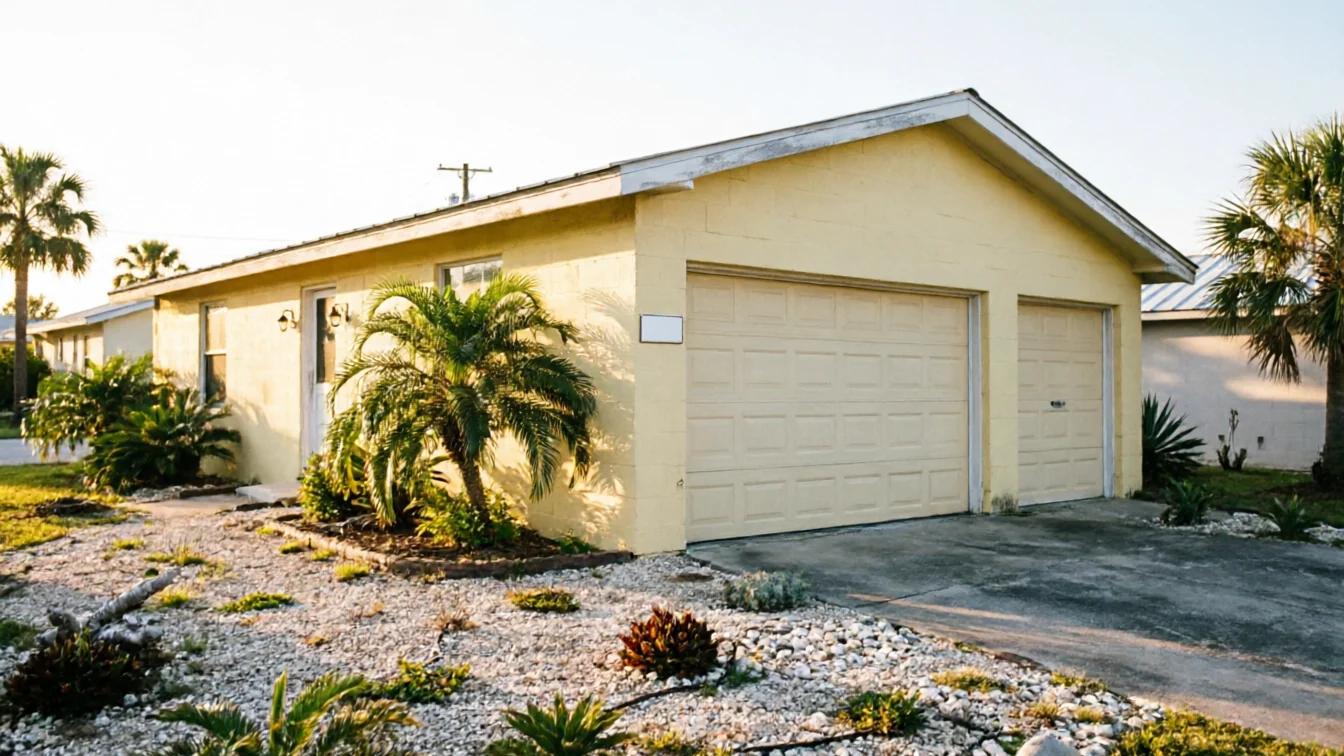
We don't quote a number here because every opening in this area comes with a different header height, track style, and electrical setup, and pricing a door sight-unseen usually means someone pays for surprises later. What we can tell you is what drives the cost up or down: whether the existing frame needs rework, whether the opener is being replaced or reused, and whether insulation or window inserts are part of the new door.
Household income across the service area runs a median of $80,775, and we size recommendations to that - we're not going to push a premium insulated door on a detached garage that doesn't need one. We'll walk the opening, tell you straight what's wearing out versus what's still good, and give you a written number before anything gets ordered.
Questions
Sometimes, but not always. Houses in this area went up over a nearly 40-year stretch, so header heights and track widths vary by builder and decade. We measure before quoting rather than assuming a standard size, because a lot of openings need minor framing work to take a current door model.
Not necessarily. If your opener is newer and rated for the door's weight, we can often reuse it. Older units, especially ones without current safety sensors, usually get replaced at the same time since they're already near the end of their service life.
The mild temperate climate here means we're not designing against hard freezes or heavy humidity swings, so insulation needs are moderate. Most homeowners choose based on noise and temperature comfort in an attached garage rather than weather protection.
If the circuit feeding your opener wasn't pulled for a motor draw, we'll flag it before installing rather than hang new hardware on wiring that can't handle it. We don't do electrical panel work ourselves, so that sometimes means bringing in an electrician first.
Explore more
Ready when you are
Sanford Garage Door Pros repairs and installs garage doors, springs and openers in Sanford, FL and the surrounding area.